


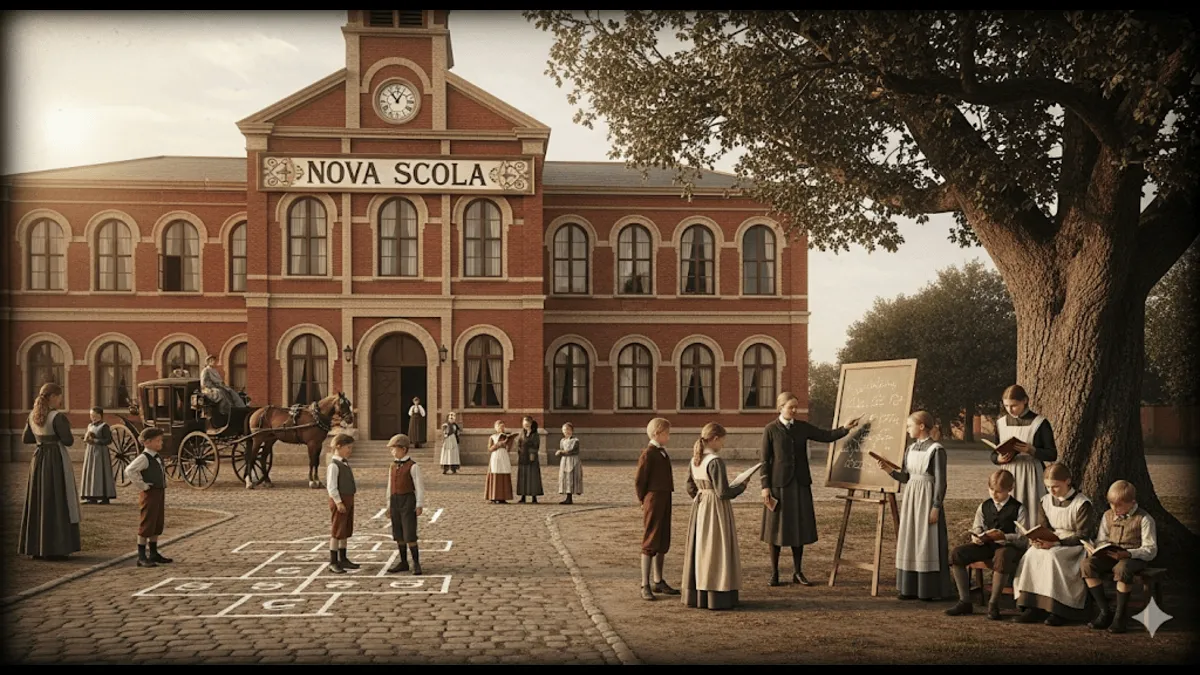
Nova Scola: Education in the Digital Age
As we navigate the second half of the 2020s, education stands at a crossroads. Traditional models—rigid curricula, standardized testing, one-size-fits-all classrooms—are increasingly seen as relics of an industrial past. Enter Nova Scola, a phrase that has quietly but persistently bubbled up across blogs, educational consultancies, and global discussions since around 2025. Literally translating from Latin as “new school” (nova meaning “new” and scola/schola meaning “school” or “learning place”), Nova Scola isn’t just a catchy term. It has become a symbolic banner for a broad, evolving movement toward more adaptive, holistic, technology-integrated, and human-centered learning.
What makes Nova Scola fascinating in January 2026 is its remarkable ambiguity and flexibility. It simultaneously refers to:
- Specific organizations and consultancies (like Nova Scola Education Consulting in Toronto, focused on guiding international students toward Canadian institutions)
- Philosophical frameworks that blend classical education principles with modern innovation
- A general mindset of educational renewal in response to AI, globalization, and post-pandemic realities
This multiplicity isn’t a weakness—it’s the strength of the concept in our fragmented digital era.
The Etymological and Historical Roots
The appeal of Nova Scola starts with its classical origins. Latin has long lent prestige to educational concepts: alma mater (“nourishing mother”), in loco parentis (“in place of a parent”), even the word “school” itself derives from the Greek skholḗ via Latin schola, originally meaning leisure devoted to learning.
By choosing “Nova Scola” over plain English “new school,” proponents evoke a sense of timeless renewal. It’s not about discarding the past but revitalizing it. Some interpretations explicitly connect Nova Scola to the revival of classical education—the Trivium (grammar, logic, rhetoric) and Quadrivium (arithmetic, geometry, music, astronomy)—while updating it for the 21st century. Advocates argue that in an age of information overload and AI-generated content, returning to foundational critical thinking, eloquence, and ethical reasoning is more urgent than ever.
Other voices emphasize the “new” aspect almost exclusively. They see Nova Scola as the natural successor to progressive pedagogies like Montessori, Waldorf, Reggio Emilia, and project-based learning, but supercharged with digital tools, personalized algorithms, and global connectivity.
Nova Scola in Practice: Real-World Manifestations
By early 2026, several concrete expressions of the Nova Scola idea have emerged.
One prominent example is Nova Scola Education Consulting (based in Toronto, Canada), which specializes in international student placement, early childhood training, K-12 guidance, and pathways to Canadian universities. Their website and social presence highlight personalized counseling, bridging cultural differences, and preparing students for a world where mobility and adaptability are key skills. This version of Nova Scola is pragmatic and service-oriented—helping families navigate complex global education systems.
Another strand appears in discussions of AI-augmented education in Latin America. Reports from organizations like the World Bank (as early as 2025) mention tools such as Nova Scola alongside platforms like Khanmigo, Letrus, and Google ReadAlong. These initiatives use artificial intelligence to provide personalized tutoring, reading support, and adaptive learning paths, particularly in underserved regions. Here, Nova Scola represents the ethical, measured integration of technology—amplifying teachers rather than replacing them.
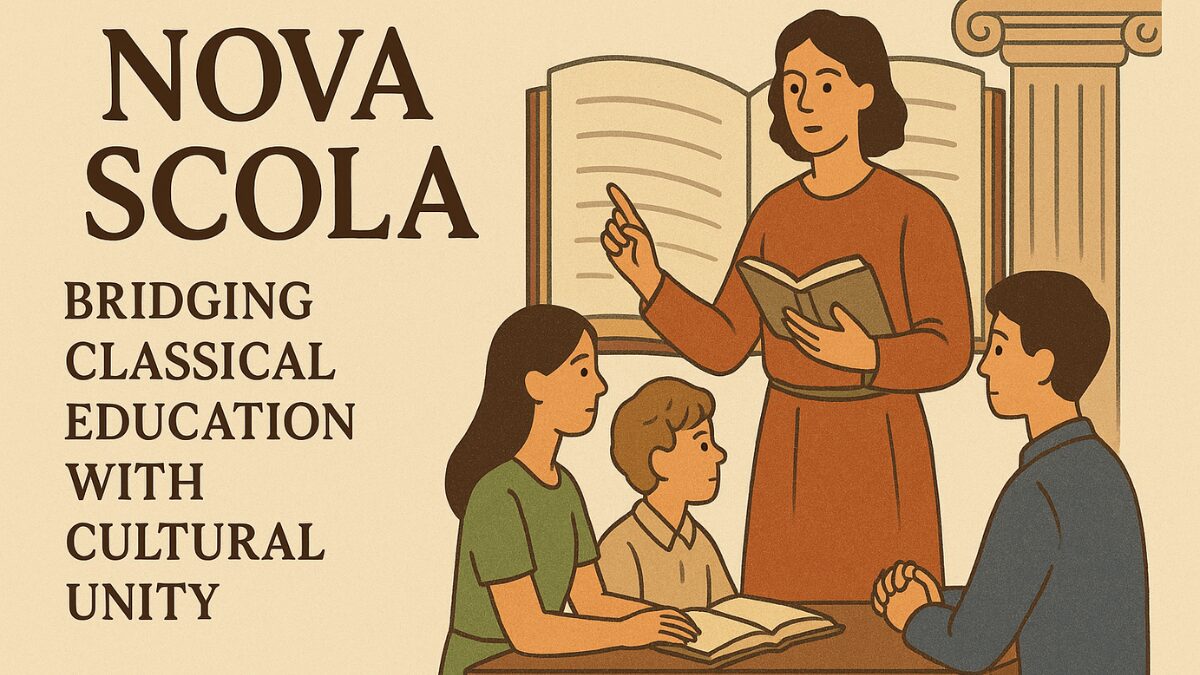
Then there’s the philosophical and symbolic use. Numerous 2025–2026 articles describe Nova Scola as a mindset: student-centered, outcome-focused, interdisciplinary, and culturally inclusive. Some blend classical humanities with STEM and soft skills like leadership and entrepreneurship (as seen in programs from entities like Nova School, which offers teen-focused courses in AI, business, and future careers).
The common thread? A rejection of rote memorization and high-stakes testing in favor of deeper understanding, creativity, collaboration, and lifelong curiosity.
Why Nova Scola Resonates Now
Several macro trends explain the rise of this concept.
First, the post-COVID education crisis lingers. Remote learning exposed inequalities, learning loss, and mental health challenges. Parents and educators crave systems that are more flexible and compassionate.
Second, artificial intelligence has arrived in classrooms. Generative tools can create lesson plans, grade essays, tutor students 24/7, and personalize content at scale. The challenge is ensuring AI serves humanistic goals rather than commodifying education.
Third, globalization and migration have made education more transnational. Families seek pathways across borders, and institutions compete for diverse talent pools.
Fourth, there’s widespread fatigue with standardized education models. In many countries, there’s growing interest in hybrid approaches that honor cultural heritage while embracing innovation.
Nova Scola neatly captures all these tensions. It sounds prestigious yet forward-looking, classical yet progressive, local yet global.
Challenges and Criticisms
Of course, no educational vision is without skeptics.
Critics argue that “Nova Scola” is sometimes little more than rebranded marketing. Many articles on the topic appear on low-effort blogs with similar wording, suggesting SEO optimization rather than deep substance. Some consultancies may adopt the name for branding appeal without fundamentally changing their practices.
Others worry about the digital divide. Personalized, tech-heavy learning sounds wonderful, but it assumes access to devices, stable internet, and digital literacy—resources still unevenly distributed worldwide.
There’s also the tension between classical and modern. Purists of classical education sometimes view heavy tech integration as a dilution of timeless principles, while tech advocates see overemphasis on ancient texts as outdated in a world of rapid change.
Finally, the very vagueness of the term can be a double-edged sword. Without clear standards or accreditation, “Nova Scola” risks becoming an empty buzzword.
The Future of Nova Scola
Looking ahead from January 2026, Nova Scola seems poised for evolution rather than disappearance.
We may see more formalized networks of schools and programs adopting the label, perhaps with shared curricula that balance classical foundations, modern competencies, and ethical AI use.
International consultancies like the Toronto-based one could expand, becoming major players in the growing market for global education mobility.
Most excitingly, the symbolic power of Nova Scola could inspire grassroots innovation: teachers creating hybrid classrooms, parents forming learning pods, communities building open-source educational resources.
In the end, Nova Scola isn’t a single institution or method—it’s a conversation. A Latin phrase that invites us to ask: What should school be in the 21st century? How do we honor the wisdom of the past while preparing for an unpredictable future? How do we make learning joyful, equitable, and truly human again?
As long as those questions remain urgent—and they will for decades—Nova Scola will continue to inspire, provoke, and evolve.
In a world that often feels like it’s accelerating too fast, the idea of a thoughtful “new school” offers quiet hope: that education can be renewed, not just repeatedly reformed.
